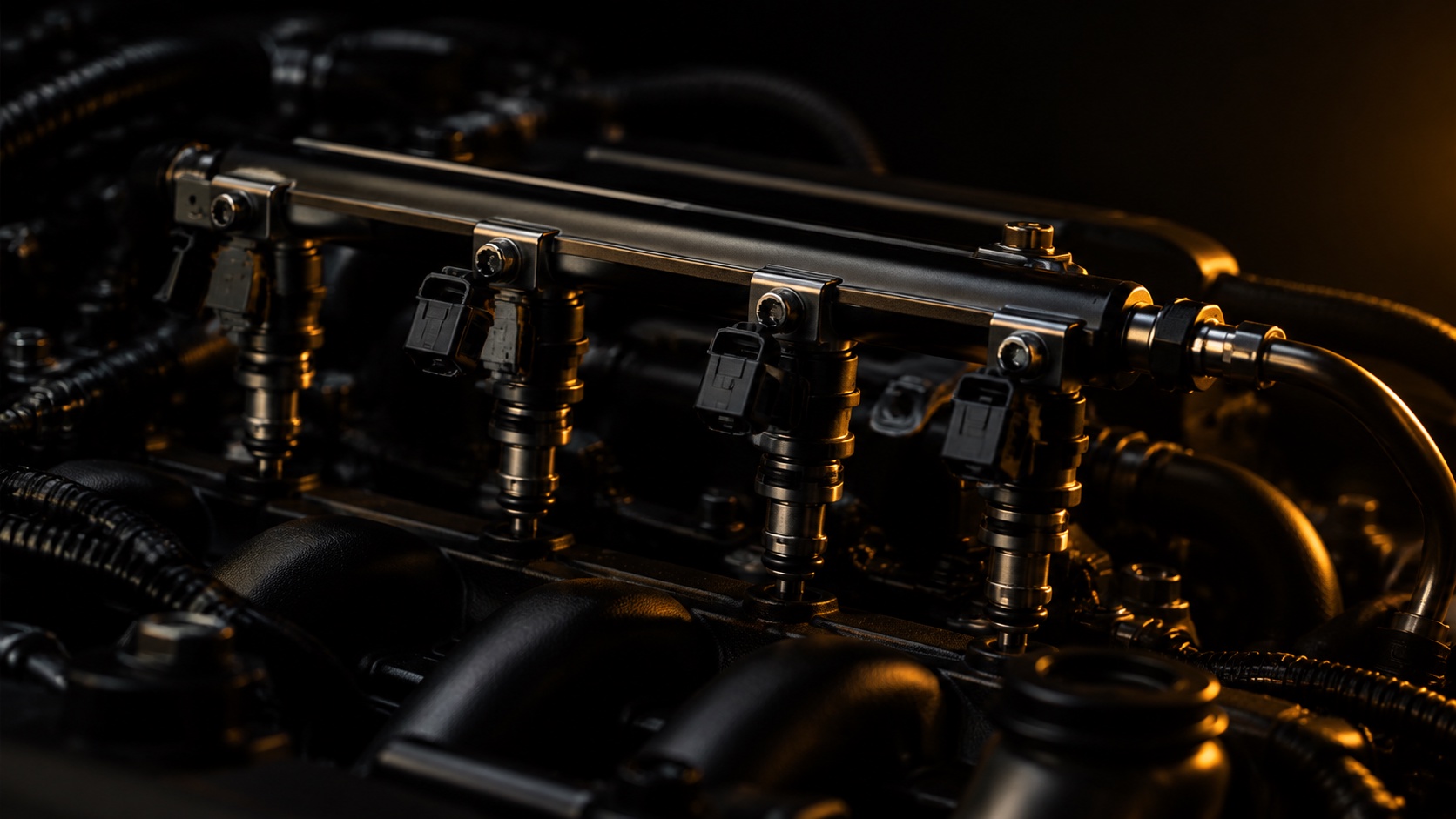
Behind every drop, a system.
Explore the components, concepts, and technologies that make automotive fuel delivery work. Discover how different parts of the fuel system contribute to vehicle operation through accessible educational guides.
Fuel system fundamentals
A fuel delivery system stores fuel, moves it forward, keeps it clean, holds it at pressure, and meters it into the engine.
01 / Concept
Fuel delivery
Fuel is stored, pressurized, filtered, and metered so the engine receives the amount it needs at every moment.
02 / Role
Vehicle operation
The fuel system works with air intake and ignition to create the balanced mixture that combustion depends on.
03 / Language
Terminology
Terms like fuel rail, duty cycle, and returnless system describe how fuel moves and how it is controlled.
04 / Overview
Components
Pumps, filters, lines, regulators, and injectors each handle one stage of the journey from tank to cylinder.
Explore the components
Open a window into each stage of the system. Expand a panel for a quick explanation, or follow it into the full topic.
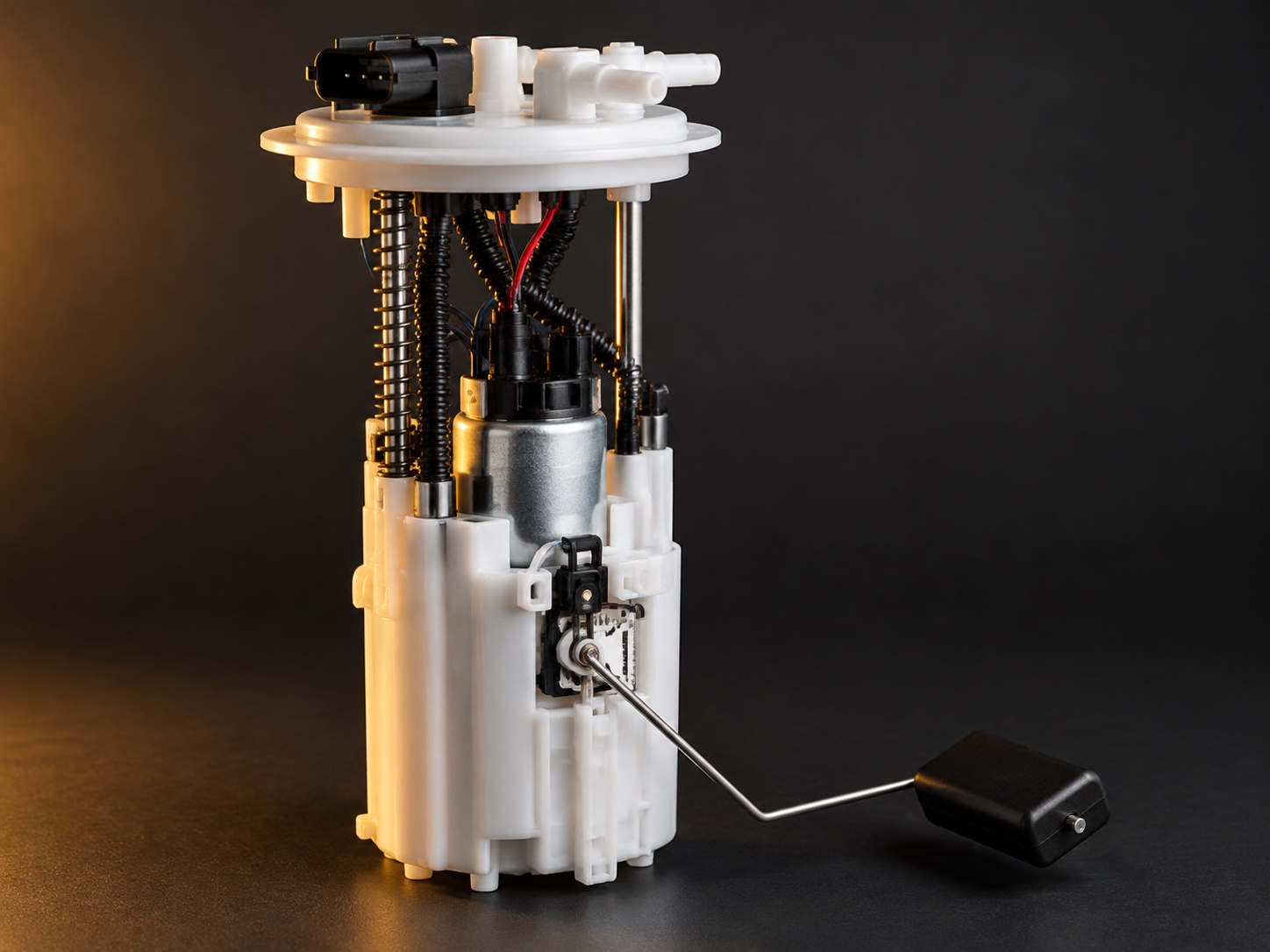 FP-01
Fuel Pumps
Where delivery begins. Pumps move fuel from the tank and create the pressure the system relies on.
Quick explanation
Modern vehicles typically use an electric pump inside the tank, and direct injection engines add an engine-driven high pressure pump.
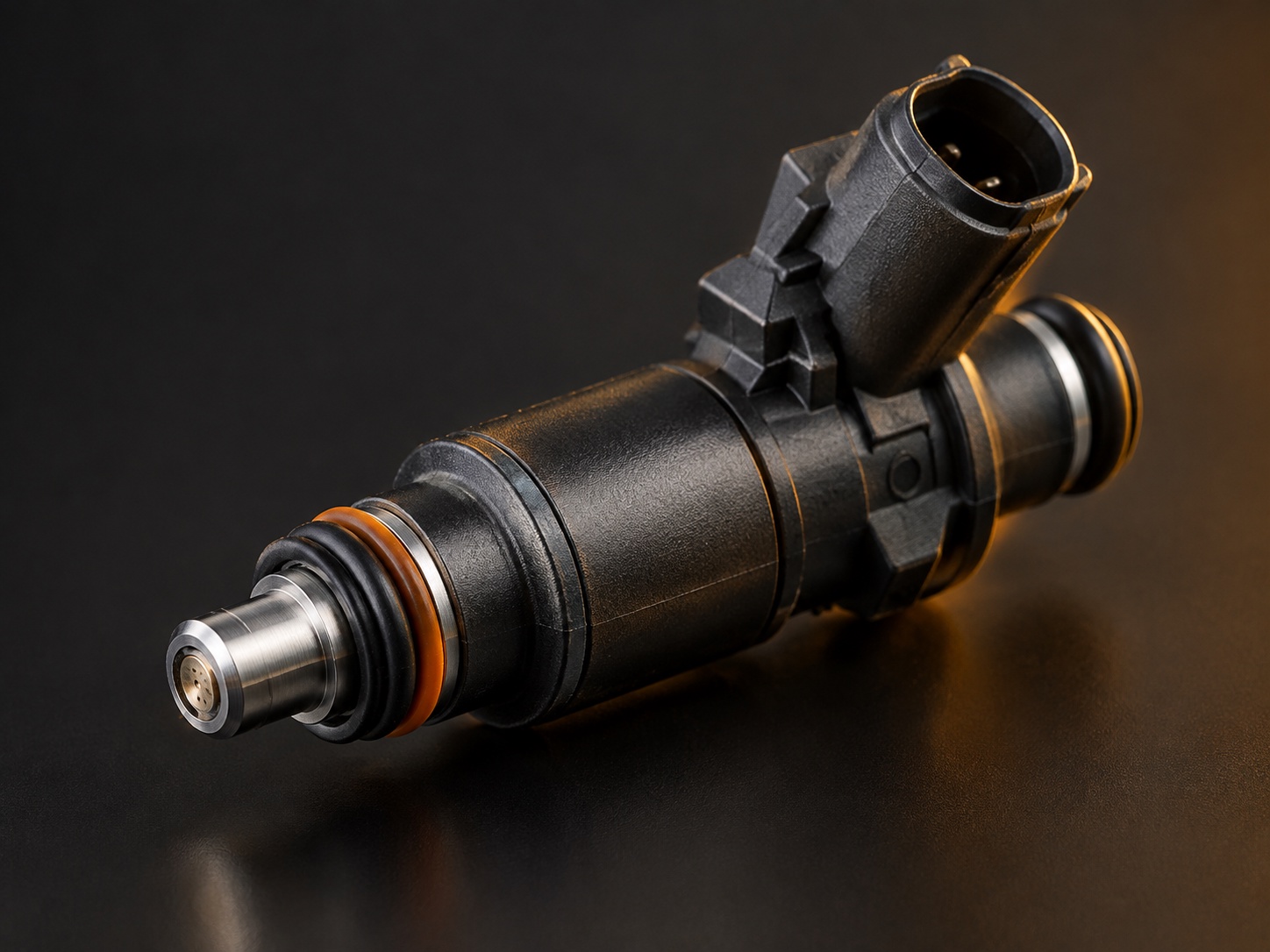 FI-02
Fuel Injectors
Precision valves that open for fractions of a second to spray finely atomized fuel.
Quick explanation
The engine control unit sets how long each injector stays open, a value known as pulse width.
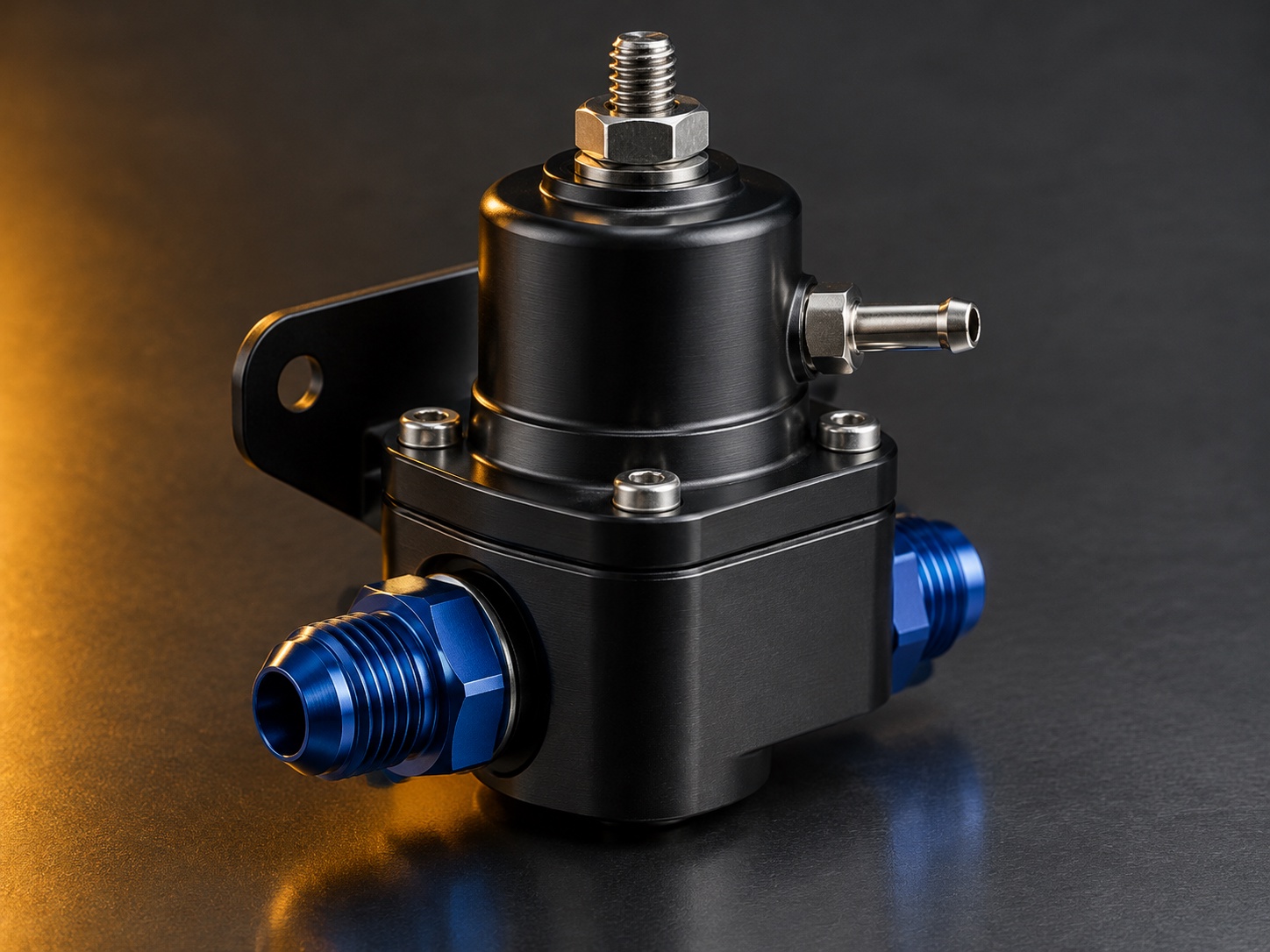 PR-03
Fuel Pressure Regulators
Keep pressure inside a target range so injectors can deliver accurate amounts.
Quick explanation
Return-style systems route excess fuel back to the tank, while returnless systems regulate pressure closer to the pump.
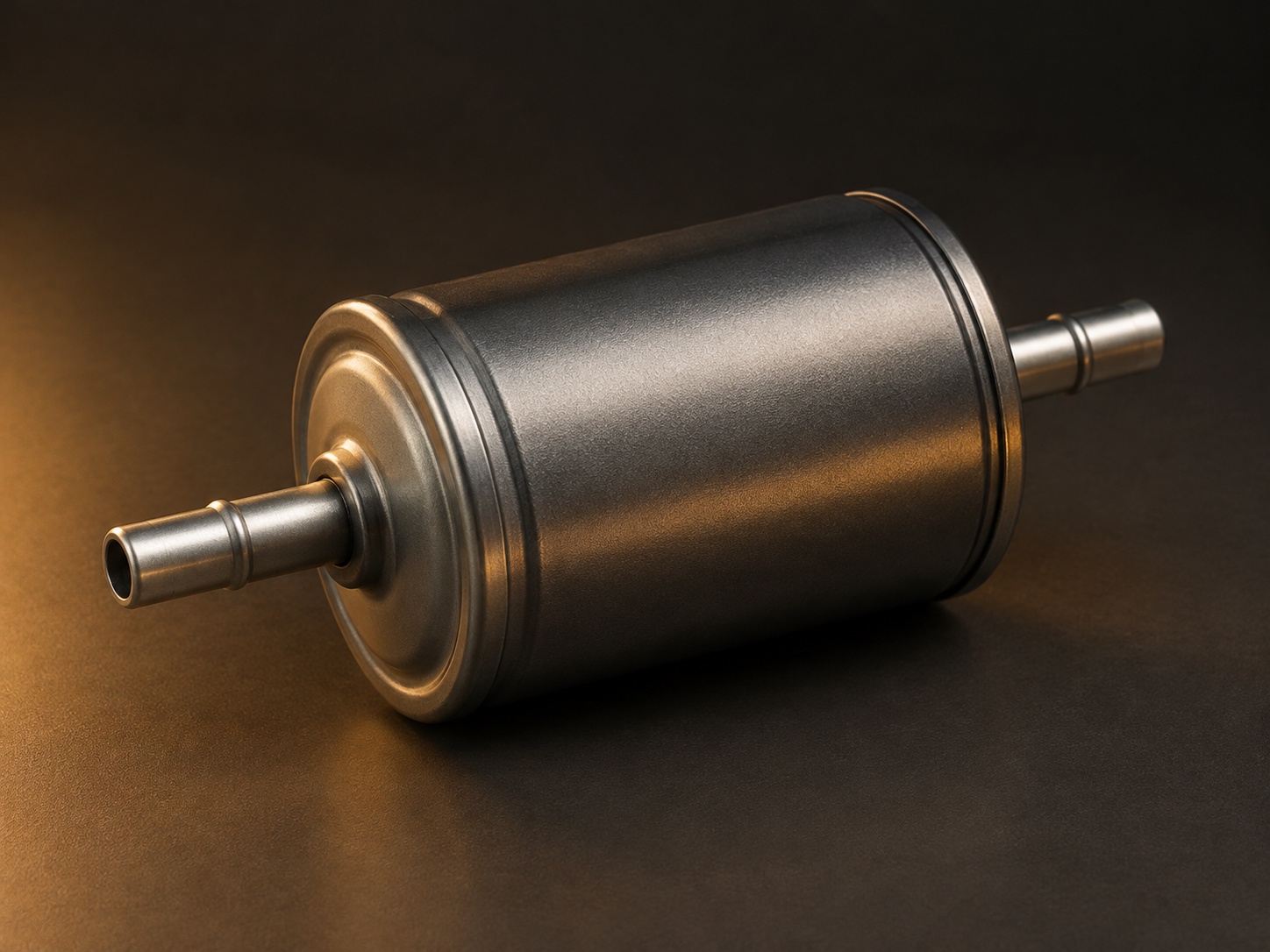 FF-04
Fuel Filters
Capture particles before they can reach precision components downstream.
Quick explanation
Many systems pair a coarse inlet strainer with a finer filter, which may be built into the pump module.
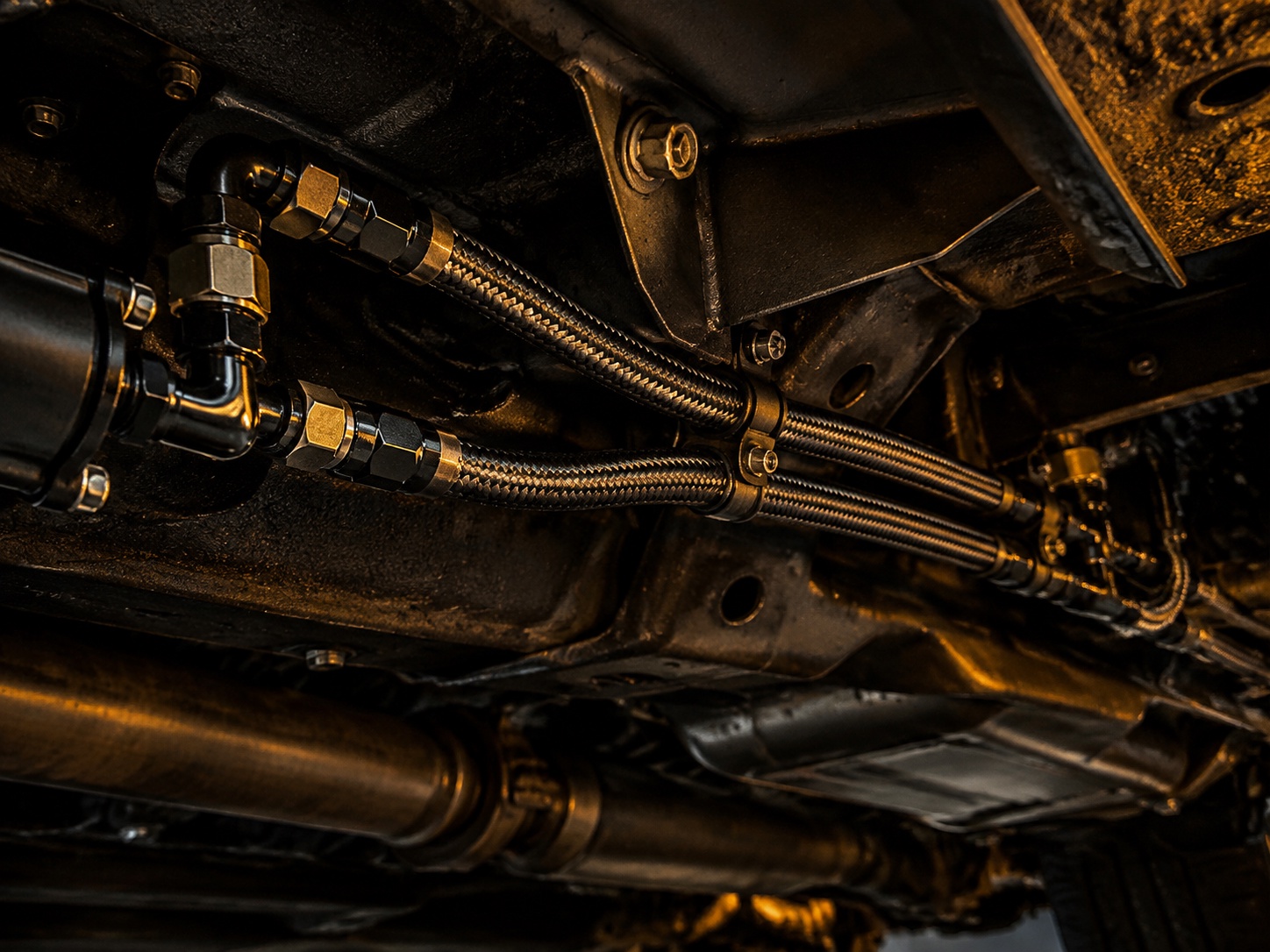 FL-05
Fuel Lines and Related Components
The routes and connections that carry fuel safely from tank to engine.
Quick explanation
Lines may be steel, nylon, or reinforced rubber, joined by fittings designed to stay sealed under pressure.
Fuel delivery technology
Electronic Fuel Injection
Sensors report airflow, temperature, and engine speed, and the engine control unit calculates how much fuel each cylinder receives.
Fuel Pressure Concepts
Pressure determines how much fuel flows through an injector in a given time, which is why it is held within a target range.
Fuel Filtration
Clean fuel protects tight tolerances inside pumps and injectors and helps spray patterns stay consistent.
Fuel Delivery Terminology
Fuel rail, pulse width, returnless, and duty cycle are a few of the terms that describe how a system behaves.
Gasoline and diesel systems
Both deliver fuel to an engine, but they rely on different ignition methods and very different pressures.
| Aspect | Gasoline | Diesel |
|---|---|---|
| Ignition method | Spark plug ignites the air and fuel mixture. | Heat from compressed air ignites the fuel. |
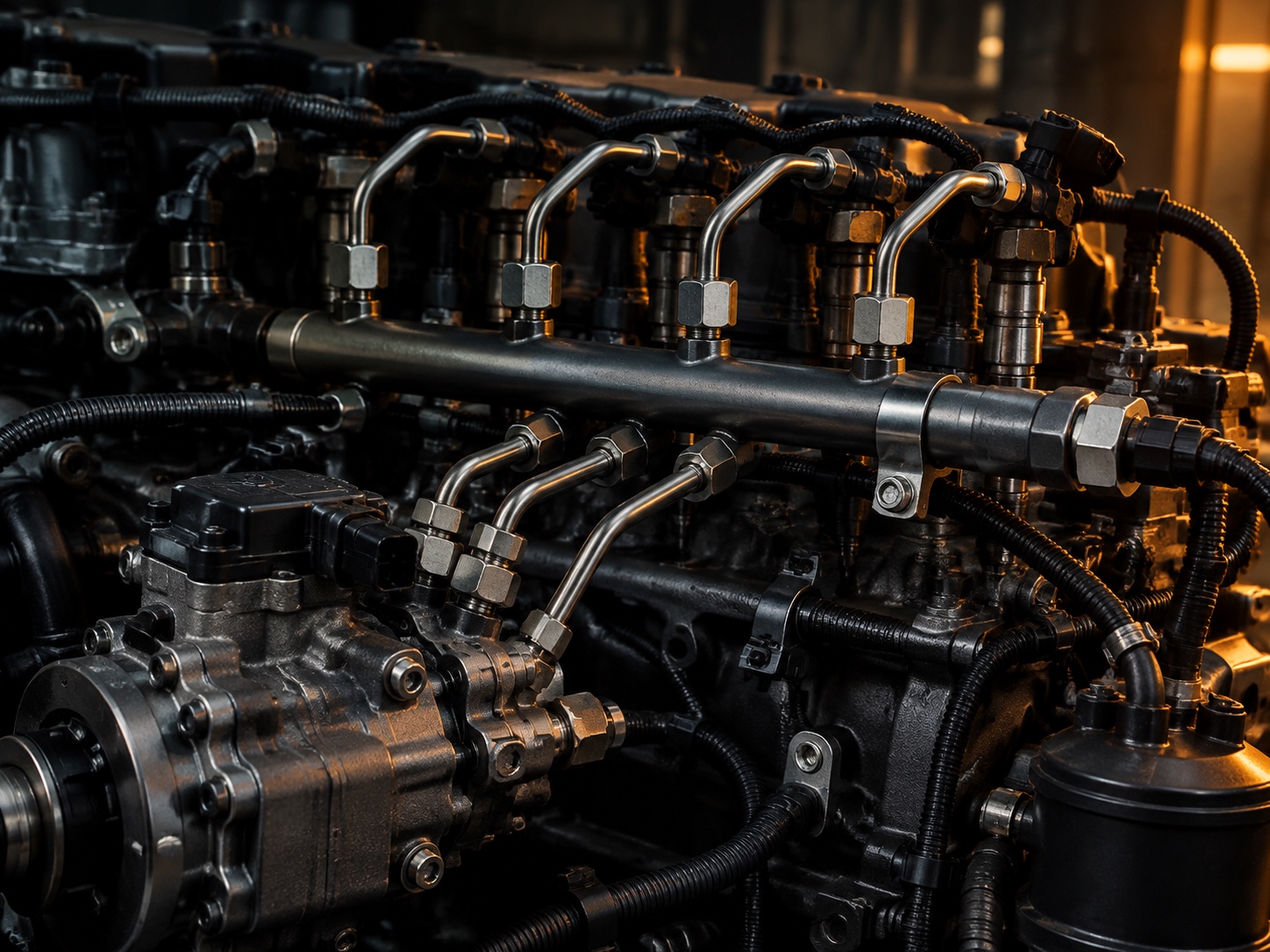
| Typical injection pressure | Lower for port injection, higher for direct injection. | Very high, commonly delivered by a common rail system. |
| Where fuel is injected | Intake port, combustion chamber, or both. | Directly into the combustion chamber. |
| Filtration focus | Particle filtration before the injectors. | Particle filtration plus water separation. |
Technology guides
Fundamentals
From Tank to Cylinder: The Fuel Delivery Journey
Follow fuel through each stage of a modern delivery system.
Component Roles
Who Does What: Matching Components to Their Jobs
A clear map of each fuel system part and the stage it handles.
Terminology
A Working Glossary of Fuel Delivery Terms
Short definitions for the words you will see most often.
Technology
How Electronic Fuel Injection Thinks
An introduction to the sensors and logic behind modern fuel control.
Features
What Fuel Mechanic offers
Fuel System Learning Center
Structured introductions to how fuel delivery systems work.
Automotive Fuel Component Library
Visual entries for pumps, injectors, regulators, filters, and lines.
Fuel Delivery Technology Guides
Longer explanations of injection, pressure, and filtration concepts.
Fuel System Glossary
Plain definitions for the terms used across the site.
Articles
Focused reads on component roles and system concepts.
SMS Updates
Optional text messages with component explanations and terminology.
What you receive
The Fuel Mechanic Fuel System Education program
An optional SMS program with fuel system component explanations, fuel delivery technology topics, automotive fuel terminology, and general information about how vehicle fuel systems function. You never need to join to use this website.
- Optional. SMS participation is entirely your choice.
- Your categories. You decide which message categories you receive.
- Not shared. Mobile opt-in information is not transferred to third parties for marketing or lead generation.
- Information only. Fuel Mechanic is not a repair shop or fuel system service provider.