01
How an injector works
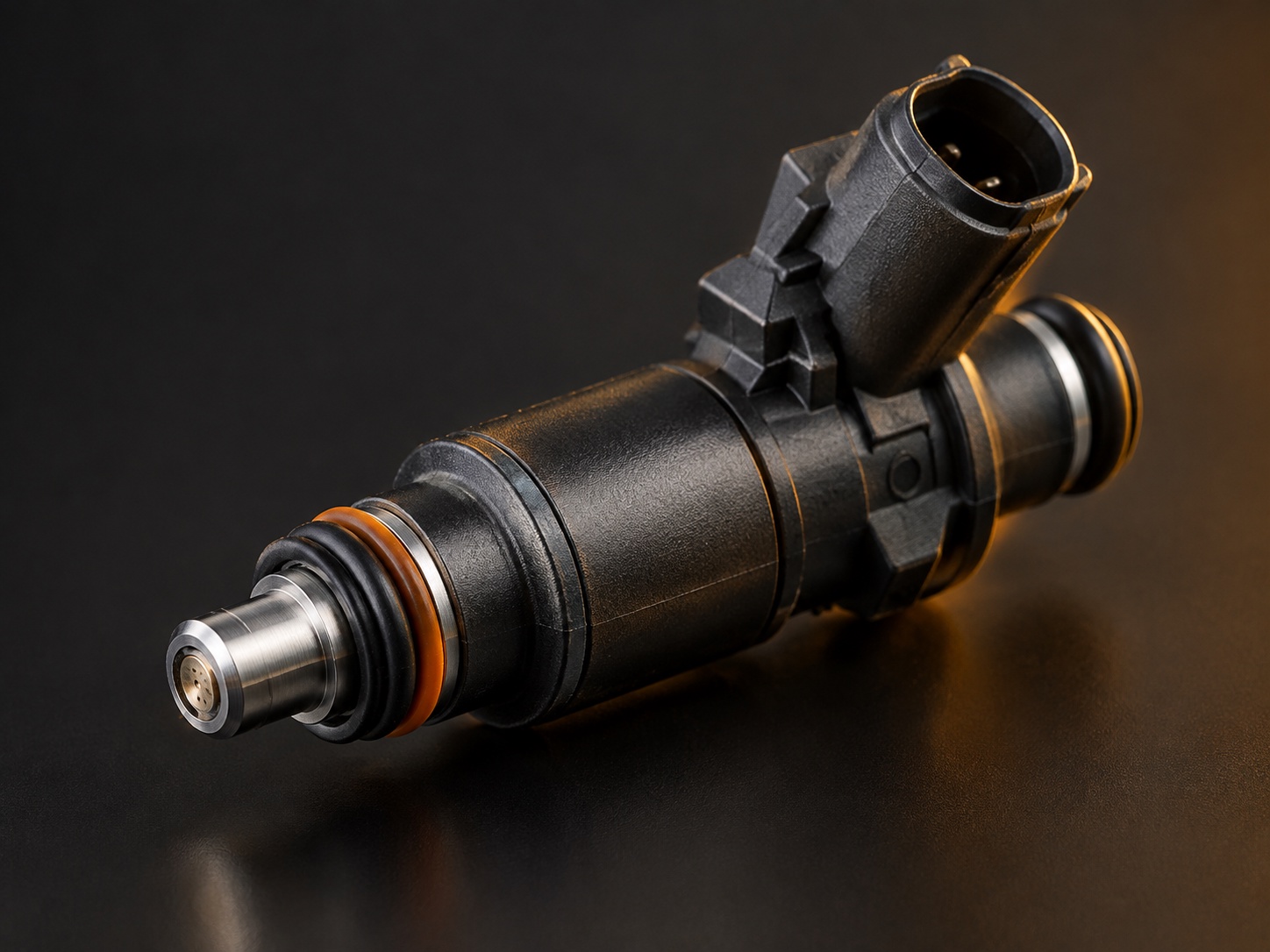
Inside most injectors is a small solenoid. When the engine control unit sends a signal, the solenoid lifts a needle or pintle off its seat and pressurized fuel sprays through a nozzle. When the signal ends, a spring closes the valve.
02
Atomization and spray pattern
Breaking fuel into tiny droplets helps it mix with air and burn evenly. Nozzle design shapes the spray pattern to suit the engine's intake port or combustion chamber.
03
Port injection and direct injection
Port fuel injection sprays fuel into the intake port, just ahead of the intake valve. Direct injection sprays fuel straight into the combustion chamber at much higher pressure. Some engines combine both approaches.
04
Pulse width
The length of time an injector stays open is called pulse width. The engine control unit adjusts it continuously using data from sensors that measure airflow, engine speed, temperature, and exhaust oxygen.
Keep exploring
Get fuel system explanations by text, if you choose.